

5 lessons from the World Cup's opening days to nail your sweepstake
QuiniPrats editorial team
7 min read
Published on 15 June 2026
Favourites draw, debutants hold firm and goals pour in. We turn what has happened at the 2026 World Cup into a practical strategy for your sweepstake.
The first few days of a World Cup are a goldmine of information for anyone playing a sweepstake. In just a few matchdays we can see which sides are sharp, which are struggling, and which patterns keep repeating. We've analysed the start of the 2026 World Cup and pulled out five practical lessons to help you sharpen your predictions for the next round.
1. Favourites don't always win first time out
Spain drew 0-0 with Cape Verde, Brazil shared 1-1 with Morocco, Canada stumbled against Bosnia, and the Netherlands gave away a 2-2 to Japan. The message is clear: in the first matchday, being the favourite counts for less than at any other point in the tournament.
Sweepstake tip: don't chain all your '1' picks. In the opening group stage, spreading a few draws usually lifts your average score considerably.
2. Debutants and minnows mean business
Cape Verde held out for 90 minutes against a European champion and Australia beat Turkey 2-0. Modest sides no longer give anything away: they arrive well-drilled and with a clear defensive plan. Underestimating them in your sweepstake is a costly mistake.
3. When there's a real gap in quality, goals pour in
Germany thrashed Curaçao 7-1, Sweden put five past Tunisia (5-1) and the USA beat Paraguay 4-1. The expanded 2026 World Cup format has brought more pronounced gaps in quality in certain fixtures. When a clear favourite faces a debutant, 'over 2.5 goals' markets and big scorelines carry a lot of value.
4. The hosts play with an extra edge
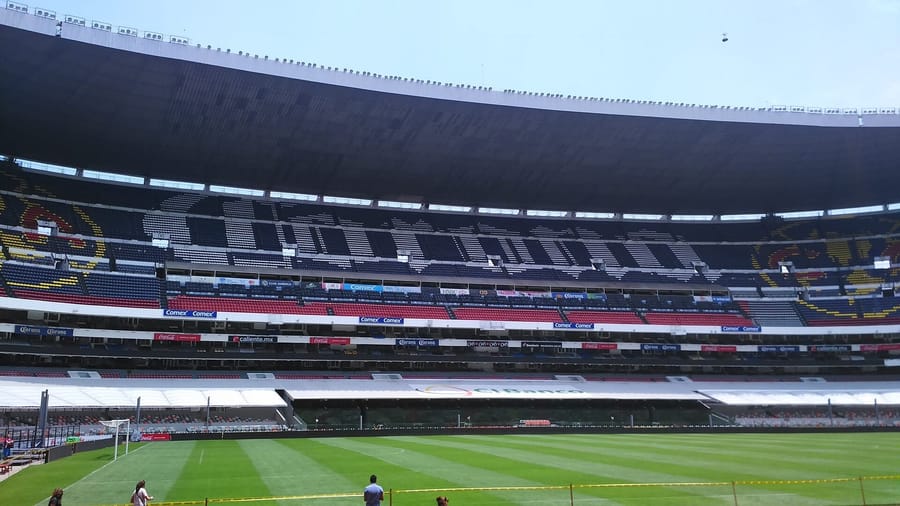
Mexico beat South Africa 2-0 at the Azteca, ending a historic drought in opening matches, and the United States thrashed Paraguay. The home crowd's backing and familiarity with the stadiums are real factors: all else being equal, the host nation deserves an extra point of confidence in your picks.
Frequently asked question: how many teams play at the 2026 World Cup? This edition debuts the expanded format of 48 nations, split into groups ahead of the knockout stage.
5. Don't overreact to a single match
A 0-0 from Spain or a scare for Brazil doesn't turn those sides into candidates for an early exit. The big teams usually course-correct. The key is telling the difference between a one-off bad day and a structural problem before you write off a favourite in your sweepstake.
Bonus: spread your risk
A sweepstake isn't won by getting everything right, but by taking risks where others don't dare. If all your rivals are going for the obvious pick in the clear-cut games, your edge lies in nailing the tricky fixtures: the favourite's draw, the debutant's upset, or the exact scoreline of a predicted rout.
After each matchday, note down which correct picks set you apart from the group and which mistakes keep recurring. That self-analysis, round after round, is what turns an occasional participant into the sweepstake favourite.
Put these lessons into practice
The best way to learn how to predict is to compete. On QuiniPrats you can create your 2026 World Cup sweepstake in a minute, invite friends and family, and watch week after week to see who applies these lessons best. Every matchday is a new chance to climb the standings.
Related articles


Ready to compete?
Put what you've learned into practice and prove who knows football best.
Create free account